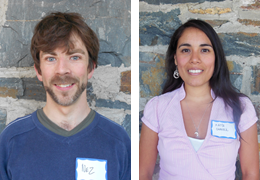
Luz Felix-Marquez
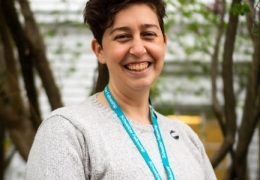
Luz implemented a mobile clinic for migrant workers on Vermont's dairy farms. The clinic provided screenings, medical services, referrals to the closest health center, and health education.
Use Keyword to search all projects for a word or phrase, including a Fellow's name.
Luz implemented a mobile clinic for migrant workers on Vermont's dairy farms. The clinic provided screenings, medical services, referrals to the closest health center, and health education.
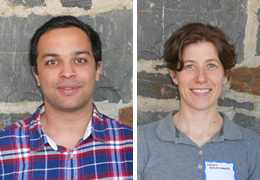
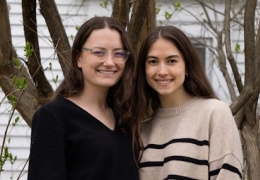
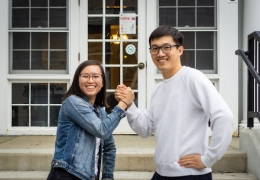
Lyndsay and Ashlie worked with Legal Boots on the Ground to help kick-start a veteran legal assistance program.
Lystra developed and implemented an incentive program for opiate–addicted mothers and infants receiving treatment, aimed at increasing awareness about child development. She further mproved the facilities for children and breast-feeding mothers at the Chittenden Center where daily treatment is delivered.
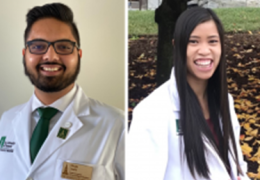
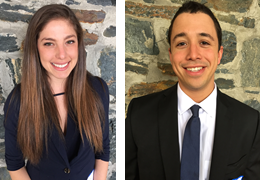
Madeleine and Juergen helped children ages 6 to 9 develop their interest in engineering and science through the junior FIRST Lego League in area elementary schools.
Mae improved future professionals' access to information about transgender and transsexual ("trans") identities. By educating students at various professional schools in New Hampshire and Vermont about trans identities, Dunn empowered emerging professionals to provide compassionate, well-informed care and services to an often misunderstood community.
Malaika and Brian increased student awareness and participation with community health organizations early in their medical school careers through structured direct service activities. They also enhanced both the students' education and overall learning environment of the medical school while also providing much needed assistance to local community agencies.
Mandy created a teaching and training module for both health and legal service providers with information about what issues affect the mental health of refugees, how traditional mental health services may not be sufficient for refugees, and how to address these problems.
Manie and Vasum organized a volunteer program of medical students for the Community Health Center of Burlington, a clinic that provides care for the underserved population of the greater Burlington area, including the homeless and foreign refugees. The program attempted to assist the CHC in serving the community's clinical and health education needs, while strengthening the connection between the CHC and the College of Medicine.
Mara started an "Outdoors Club" as part of the tenth-grade teen health class at Lebanon High School. She introduced students to a variety of wilderness experiences, basic first aid and safety techniques and encouraged discussion of numerous teen health issues and provided an open forum for students to talk about difficult issues they are facing.
Marie worked with the Elizabeth Mine Study Group in their efforts to continue various clean-up projects at the Elizabeth Mine in Strafford, VT. Her work included biological monitoring, educational curriculum development, legal research and historical documentation.
Marie volunteered as an advocate for children caught up in the court system due to divorce/parenting matters, abuse, neglect or unmanageable behaviors through the Guardian ad Litem system.
Marisa and Jewelia's project aimed to better characterize and address food insecurity that is compounded by transportation barriers. They worked alongside the community to explore methods and pilot no-cost, mobile food delivery/supply services, to serve as a model for improving long-term food security and access in rural communities in the Upper Valley and beyond.
Marjorie continued the work of previous Schweitzer Fellow, Michael Mercer, at the South Royalton High School to promote a service learning requirement and ethic, which encourages volunteerism as well as an educational opportunity.
Mark and Victor worked with the staff of the Milton Public Library to develop teen programming and via zoom and video to teach social skills, wellness habits, and strategies for healthy relationships.
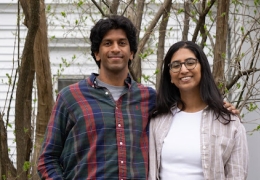
Kathryn and Marley explored the feasibility of a thermal energy network (TEN) in the Village of South Royalton. They created relationships with many residents, businesses, and key players and laid the foundation for the installation of a TEN on the town green. This will result in lower energy bills and a cleaner environment for homes and businesses.
Marli and Joyce designed and implemented nutritional education classes for pregnant and parenting young women in the Burlington community. The curriculum focused on the prevention of eating disorders, and provided support for the young women currently battling these disorders.
John and Marvah served the patients of the Good Neighbor Health Clinic by coordinating the implementation of SBIRT (Screening Brief Intervention and Referral to Treatment). They administered patient screens, conducted motivational interviews, and followed–up on referrals.
Christina and Ashton sought to improve the climate resiliency of rural Vermont municipalities. They conducted a case study and developed educational materials focusing on infrastructure policy reform through culvert reconstruction resulting in more flood-resilient structures and communities.
Hannah and Mary Ann taught classes on infant and child health for pregnant and new mothers in a residential mental health and substance abuse treatment program. Their classes focused on essential topics in infant and child health including infant sleep, infection prevention, immunizations, feeding and food allergies.
With the goals of increasing knowledge, changing attitudes, building skills, and empowerment, Mary and Laura conducted workshops for teen girls in Winooski, VT.
Maryellen and Monica worked with the Vermont Coalition of Clinics for the Uninsured (VCCU) to analyze data regarding healthcare services and patient visits. They evaluated how member clinics serve the health care needs of the uninsured in Vermont.
Matt worked with the Good Neighbor Health Clinic to identify individuals and families with food insecurity throughout the Upper Valley. He addressed the under-utilization of community emergency programs and government programs by this group by raising awareness and facilitating access.
Matthew and Heather worked with students, faculty, administration and community members on the continuing effort to establish an Environmental Law Clinic at the Vermont Law School.
Matt addressed pediatric health and literacy by improving and expanding Bedside Brainiacs, a program established by Schweitzer Fellow Piyush Gupta that offers daily tutoring to pediatric inpatients to help them keep up with their school work while receiving medical treatment. Graf also created and implemented a sustainable project design, increased program awareness at the hospital, and pursued expansion into the geriatric population.
Matthew assisted in the development of competent search and rescue resources in the region by organizing, training and educating individuals to be part of the Upper Valley Wilderness Response Team.
Merrill addressed the mental and physical health needs of at-risk youth by creating an outdoor mentoring program that aims to mitigate "nature deficiency disorder." With the help of volunteer mentors, the youth learned to tie flies, understand ecology, try their hand at fly casting, and participated in flyfishing expeditions.
Isabel and Maya increased access to health and wellness services for people experiencing homelessness in the Burlington area. They hosted quarterly health and wellness fairs at COTS Daystation to provide low-barrier access to essential services, including primary care visits, vaccinations, safer-use supplies, HIV/HCV screening, and personal hygiene resources. They collaborated with the Community Health Centers of Burlington to increase access to health resources, create a safe space for dialogue, and equip individuals with information to make informed decisions about their health. The fairs will continue to be hosted at the Daystation quarterly.
Mayumi developed a series of patient education materials for homeless, runaway and at-risk youth for Spectrum One Stop (SOS), a youth shelter and drop-in center in Burlington, VT.
Mazin and Samantha provided health education to low-income individuals and families at community dinners.
Megan and Margot implemented a self-care initiative for individuals with substance use disorders participating in the Grafton County Drug Court. Their project addressed topics including: the foundation of sustainable, positive relationships with primary care; exposure to healthy lifestyle practices; access to fresh vegetables; and discussion of mental health.
Meghan integrated locally grown organic food into the South Royalton School's cafeteria menu. She educated students about where their food comes from and how it was grown.
Meghan designed and ran one evening of after school programming for area youth. She also helped the club with program development and community networking to better serve the area's needs.
Melanie provided prenatal and lactation education materials and support services to low-income mothers through several agencies in the Burlington area. She also organized curriculum materials and a lecture series for medical students on topics related to childbirth and lactation.
Adopting principles from the Telling My Story program at Dartmouth College, Sarah and Missy used writing and reflection as mediums for creative processing and empowerment for young woman surrounding their own life stories. They built community as a protective force for mental health and substance use prevention, while helping teens utilize their own tools to unlock whatever future paths they choose.
Melissa raised community awareness of hunger and nutrition issues; advocated on a state level for assistance; educated vulnerable populations on the importance of good nutrition; and helped families locate the resources that will provide more secure access to nutritious food.
Melissa mobilized a core of youth volunteers dedicated to improving senior citizens' health and quality of life by assisting them with essential services.
Melissa developed an anti-smoking curriculum called "Tobacco Talk" for use in elementary schools. The curriculum was used at the Mt. Lebanon Elementary School in NH and will be disseminated to other elementary school in the local area in the upcoming year.
Meredith and Kolene expanded SWIM CHAMPS, a program, which seeks to empower children and adolescents who have been diagnosed with asthma to become educated and confident partners in the management of their chronic disease through swimming. Using fun challenges in the pool as well as classroom sessions, they taught the children to know their limits and understand how their disease affects them, but not to be afraid of physical activity.
Mia implemented components of a chronic care management program for patients with diabetes at Burlington's Pine Street Clinic, a facility serving low-income Vermonters. Program components included patient focus groups, compiling community resources, and a performance improvement initiative with the clinic's residents.
Micaela developed curriculum and resources for Families Learning Together, a program that helps parents gain the skills to envision, plan for, and achieve goals commensurate with living an independent and fulfilling life with their children, in turn reducing community risk factors associated with teen pregnancy. Entitled "Creating Future Stories" this project documented the existing curriculum, created a resource guide for use by The Family Place staff' coordinated new mentoring, career planning, and legal access components, and directly served participants in the program.
Michael worked with the H.E.A.R.T. program (Health Education and Rescue Training) at Dartmouth to teach monthly community-wide classes on basic CPR techniques and to promote primary prevention of sudden cardiac death. They worked to ensure solid finding and recruit student participants as instructors in the H.E.A.R.T. program.
Michael worked with police, local courts, veteran's organizations and mental health institutions to further develop effective procedures and programs aimed at diverting mentally ill criminals from prison, and ensuring they receive the psychiatric treatment that they need.
Michael worked with the students and faculty at South Royalton High School to introduce the concept of service learning techniques into the curriculum and to involve students in environmental service learning projects.
Miche worked to incorporate restorative practices and principles with LGBTQ+ youth leaders. They held qualitative surveys with summer camp staff and campers; facilitated youth-driven conversations to develop new Community Agreements for the organization; led workshops at the VT high school GSA conference about creating community guidelines; and helped resource a new conflict resolution policy for Outright.
Michelle and Geoff setablished an environmental Law Clinic at Vermont Law School to serve as a resource and advocate for local communities threatened by public health and environmental problems.
Michelle improved the safety and health of children in Vermont by developing an awareness program with Vermont officials that toured school districts throughout the state. Michelle also developed on-site student committees that aided in leading school initiatives to increase awareness of child abduction, and support efforts to bring home missing children in Vermont and nationwide.
Sabrina and Mike developed and implemented initiatives to support the emotional well-being of hospitalized pediatric patients and their families by promoting play, creativity, and comfort during hospitalization. For pediatric patients, they facilitated hands-on art activities such as collaborative craft projects and provided take-home creative kits, including coloring books, Play-Doh, and design-your-own-crown materials, to encourage continued engagement beyond group sessions. For parents and caregivers, they organized monthly coffee hours to create space for respite and connection, and distributed caregiver kits with basic essentials and creative supplies. Together, these efforts aimed to reduce stress and foster a more supportive and enriching hospital experience for children and their families.
Mimi worked with the staff and inmates at the Chittenden County facility of the Vermont Department of Corrections in an effort to improve the health outcomes of the inmates. She addressed prison health in a bidirectional manner by 1) bringing education and wellness into the lives of the prisons inmates and 2) bringing awareness of prison health to UVM and the local community.
Monica, Lara, and Meredith expanded Project AHEd (Adolescent Health Education), a program that provides health education and outreach to adolescents in underserved communities. They fostered an environment of tolerance among students and facilitated discussions on topics such as puberty, nutrition, mental health and substance use and abuse. The Project AHEd curriculum provided teens with the education they need to make healthy decisions and decrease high-risk behaviors.
Monica and Tammy created a workshop series for women at the Dale Correctional Facility in Waterbury, VT. The workshops were conducted by local practitioners and COM faculty and focused on a list of topics generated by the prisoners themselves: depression, eating disorders, contraception, and domestic violence
Monique worked with physicians and public health experts in the Burlington area to research and develop a plan for legalizing needle exchange in order to help stop the transmission of HIV/AIDS/AIDS and hepatitis as well as help people with addiction get in touch with counselors and treatment programs. The plan was presented to the Governor of Vermont in the spring of 1999, tried as a pilot program later than year, and has since been signed into law by the Vermont legislature.
Partnering with Upper Valley Farm to School and UV HEAL, Zain and Charis implemented a healthy living curriculum at the Romano Circle afterschool program that included creating a community garden, and programming that encouraged the children to appreciate ideas about healthy diet and active living through fun games and tasks.
Nadeem increased uninsured people's access to social services and updated the Good Neighbor Health Clinic's resource guide.
Naomi and Greta established biweekly foot care clinics at a homeless shelter in Burlington to enhance participants' foot health. They provided foot soaks, callus removal, and essential supplies such as nail clippers, slippers, and socks. Beyond foot care, they fostered meaningful connections, creating a supportive community which empowered participants to take an active role in their health. Their initiative will be sustained by new student leaders from the Class of 2028.
Narath and Gerard worked with patients with sleep issues and who need sleep equipment and support in navigating the health care system. They followed them as they began treatment and developed a Sleep Medicine Resource at the Good Neighbor Clinic.
Natalie helped youth in the South Royalton area stay in school and set high goals for themselves through mentoring and tutoring
Natalie and Shubhankar continued the Medical Education Directive, a mentorship program that pairs underrepresented high school students with premedical and medical students. The program provided students with mentors who can guide them on pathways to the healthcare field and expose them to careers in medicine through activities, trips, and workshops. Community Partner: Health Education Resource Opportunities
Natalie educated high school students in the Upper Valley area about dating violence, with the goal of reducing such instances.
Natasha increased awareness of elderly abuse by working closely with a local nursing home in Vermont. She also implemented a companion program that encouraged young adults to visit elderly residents.
Natasha and Sharon developed Patient Perspectives, a program to promote interaction among local support groups and medical students through a yearlong series of informal forums with topics correlated to the medical curriculum. These forums provided the opportunity for diversified patient groups to share their medical experiences with students who are yearning for more patient interaction.
Kevin and Nia partnered with the Dartmouth Cancer Center Food Pantry to better understand food insecurity needs specific to cancer patients and to facilitate improved health outcomes through no-cost, culturally competent, mobile food delivery services. Their project centered the education of physicians to spread awareness and access to these much-needed resources.
Nathaniel and Zoe brought speakers and workshops to the New Hampshire State Prison for women, aimed at maintaining and improving personal health. They also promoted a greater sense of well-being and personal empowerment by offering opportunities for creative expression through writing and art classes. Finally, they developed resources for inmates after their release, which addressed issues such as future housing and employment.
Naveed's project Leave No Vet Behind served veterans with a disability who are denied VA benefits for reasons such as the absence of a service connection or the character of discharge. This project identified veterans in the Upper Valley in need of support, assessed their needs, and found ways to address them through existing federal programs.
Naveen and Evan developed a program that improved health care for individuals with mental health issues living in the Upper Valley. Through their program, Dartmouth Medical students worked with psychiatrists to screen and interview mental health patients in several different settings. Ultimately, Krishnan and Lebovitz developed and integrated a mental health module into the first-year On-Doctoring curriculum at Dartmouth Medical School.
Working with Good Neighbor Health Clinics, Nayrana and Alexander expanded primary care services at the Upper Valley Haven.
Neelu and Pranav partnered with the Upper Valley Haven and the Mom's in Recovery program to address the challenges of food insecurity and limited access to nutritious foods faced by mothers recovering from substance use disorders. They supported mothers with the information and resources necessary to prepare healthy meals using what they already have on hand.
Katia and Nez improved access to health services for migrant Hispanic farm workers living in Lamoille County, Vermont. They assisted local health workers in delivering culturally competent services
Nicholas and Pablo created a program for students in a Manchester, New Hampshire high school to introduce them to the benefits of entering into a health care profession. They conducted a series of conferences and lectures; introduced students to medical doctors, nurses and other health professionals; and provided mentorship through Geisel's Urban Health Scholars Program.
Nicholas and Raghav created experiential encounters between the homeless population of Burlington, Vermont and the medical community to build understanding between these populations, and to co-create memories through meals, music, and stories. Their goal was to facilitate these opportunities without the traditionally attendant power dynamics, and to do so under the guidance, experience, and leadership of homeless individuals.
Nico and Serena expanded Tiny Tastes, an early education curriculum that exposes young toddlers to the tastes and textures of a variety of whole foods. They created additional educational resources for childcare centers, schools, partner organizations and parents.
Skyler and Nick helped adults with developmental disabilities navigate challenging conversations. They delivered an evidence-based internet-safety curriculum for adults with IDD. We used "office-hours" to help the residents navigate online spaces safely, and established a sustainable resource that can be easily shared with other communities.
Nicole helped to establish to a dental clinic for low-income persons as a companion to a previously established free health clinic, the Good Neighbor Health Clinic (GNHC). The Red Logan Dental Clinic opened in August 1996.
Noorin and Kristina sustained and expanded the mobile syringe access program in Franklin County, Vermont, by reducing the incidence of fatal overdoses and infections. They established greater communication and engagement between the Larner College of Medicine, UVM Medical Center, and people who are affected by substance use disorders.
Jonathan and Nour developed a community-based wound care initiative serving unhoused individuals and people impacted by substance use in Burlington, Vermont. In partnership with local outreach organizations, they assembled and distributed over 500 wound care kits, provided education on basic wound management, and helped connect community members to ongoing medical care. The project emphasized harm reduction, trust-building, and meeting people where they are. Following the Fellowship year, the initiative continues through ongoing outreach, new funding partnerships, and a sustainability model involving community organizations and future student volunteers.
Working in partnership with the Vermont Superior Court, Noura provided advocacy and support to survivors of sexual assault who are seeking legal protection.
Olga and Maricruz brought healthcare, self-improvement and self-awareness workshops to inmates at a women's prison in the NH/VT area. They also served as a liaison between the prison and the medical community, setting up one session per month to be taught by a local healthcare worker on a topic chosen by the women.
Patrick helped community members achieve and maintain a healthier lifestyle. They worked with the "Upper Valley Trails for Life" and physicians at Dartmouth-Hitchcock, designing exercise treatments for patients that could be integrated into a hectic daily schedule.
Paul worked with People Helping Improve South Royalton"s Health (PHISH) to bring essential health services and other related resources into the South Royalton community. He established a community operated nonprofit organization that ensure that the local community's needs will continue to be met, educate the community about available resources and how the community can access these resources, and establish connections with other nonprofit organizations and governmental agencies for community support.
Paulita addressed mental health concerns in the migrant farmworker population by building community between the farmworkers and Latinx/immigrant students at Dartmouth. Through cultural events and monthly gatherings, she facilitated and participated in conversations about the immigrant experience, how to hold space together, and mental health and well-being.
Peter and Anastasia delivered comprehensive, culturally competent health literacy education to refugee groups in Burlington.
Piyush developed Bedside Brainiacs, a program designed to minimize the educational gap caused by hospitalization for children, especially for those who are chronically ill. The program accomplished this goal by providing daily tutoring during a hospital stay, ensuring that the children did not miss their class assignments. The tutoring also reinforced previously learned material and allowed children to engage in daily cognitive activities.
Quoc worked with the Vermont refugee community in negotiation techniques. She trained elderly, adult, and refugee youth in negotiation techniques in order to reduce intergenerational conflict between refugee youth and their parents or grandparents.
Rachel developed and expanded the VLS Buddies mentoring program, which matched students at South Royalton School with buddies at VLS.
Rachel helped children ages 6 to 9 develop their interest in engineering and science by introducing the junior FIRST Lego League in area elementary schools.
In an effort to learn about the issues of aging to foster an ethic of service to our elders, and to forge relationships across generational lines, Rachel engaged Dartmouth medical students and residents of Kendal at Hanover, a residence for senior citizens, in one-on-one relationships and discussion on issues of aging in society. This project led to the development of a group to revise the DMS curriculum's approach to geriatric issues.
Rajdeep conducted monthly community-wide classes to teach basic CPR techniques and promote primary prevention of cardiogenic death.
Ramzi and Arati presented information about recognition, treatment, and recovery of strokes to high-risk communities throughout the Upper Valley. They formed and trained an undergraduate student group to continue the work of raising awareness and understanding about strokes.
Randi reorganized Teen Court in order to expand the numbers of teenagers served and further develop the connection with students at UNH School of Law.
Rebecca and Shannon provided a forum for the imprisoned women of Vermont to identify and articulate the unique needs that result from their experiences of sexual assault both within and without the state's correctional system. They worked in collaboration with the women, community groups, and state agencies to develop and implement a sexual assault protocol for use in the Vermont prison system.
Rebecca and Shilpa conducted health education workshops with women prisoners at the correctional facility in Waterbury, VT. They raised the self-esteem of women prisoners by enabling them to take a leadership role in educating peers about health issues and educated the women about positive choices available to them when they leave the facility.
Rebecca worked to further community involvement in the implementation of watershed and river quality protection laws. She conducted workshops through several local environmental groups, including the UVM extension service, and revised the citizen's guide to watershed protection.
Reiko and Matt designed and delivered sexual health education specific to the needs of LGBTQ youth.
Renee organized the Home Visitor Volunteer program, in which medical students provided home care and companionship to recovering stroke patients. The program provided respite for primary care givers, companionship for patients and home visiting experience for medical students.
Renee addressed the needs of rural domestic abuse victims by working with the Have Justice-Will Travel legal staff to provide direct services for clients. Additionally, she researched the development of a Coordinated Community Response (CCR) module within northern Windsor and Orange County. The CCR module creates a protocol for communication between agencies and organizations dealing with issues of domestic abuse, increasing their overall effectiveness in preventing violence and responding to situations of abuse.
Rezwan expanded the capacity of non-profits and social service organizations in the Upper Valley area by creating a group of students from different disciplines at Dartmouth who provided consulting services.
Ricardo and Nicole assisted faculty at the White River Middle School in creating a program that allows students to express their everyday realities through the use of Restorative Justice Circles. The project centered on promoting psychosocial and overall mental wellness.
Robert worked to encourage collaboration between parents of deaf children and professionals who treat them. He applied his own personal experience to his concept of most effective training and teaching for children and their parents.
Robert developed a health education curriculum based upon a comprehensive needs assessment; began to create a network of support for the Male Offenders Health Education Project (MOHEP.) Students created MOHEP in 1994 and faculty from DMS, with a goal is to empower inmates with information about health care in order to make more informed decisions about their health.
Robin implemented yoga and meditation programming for senior citizens and cancer patients.
Ronald incorporated Social Emotional Learning concepts outside the conventional classroom setting. Through gardening and community-centered activities, youth built on skills such as goal-directed behavior, optimistic thinking, and personal responsibility. Community Partner: One Planet After School Program